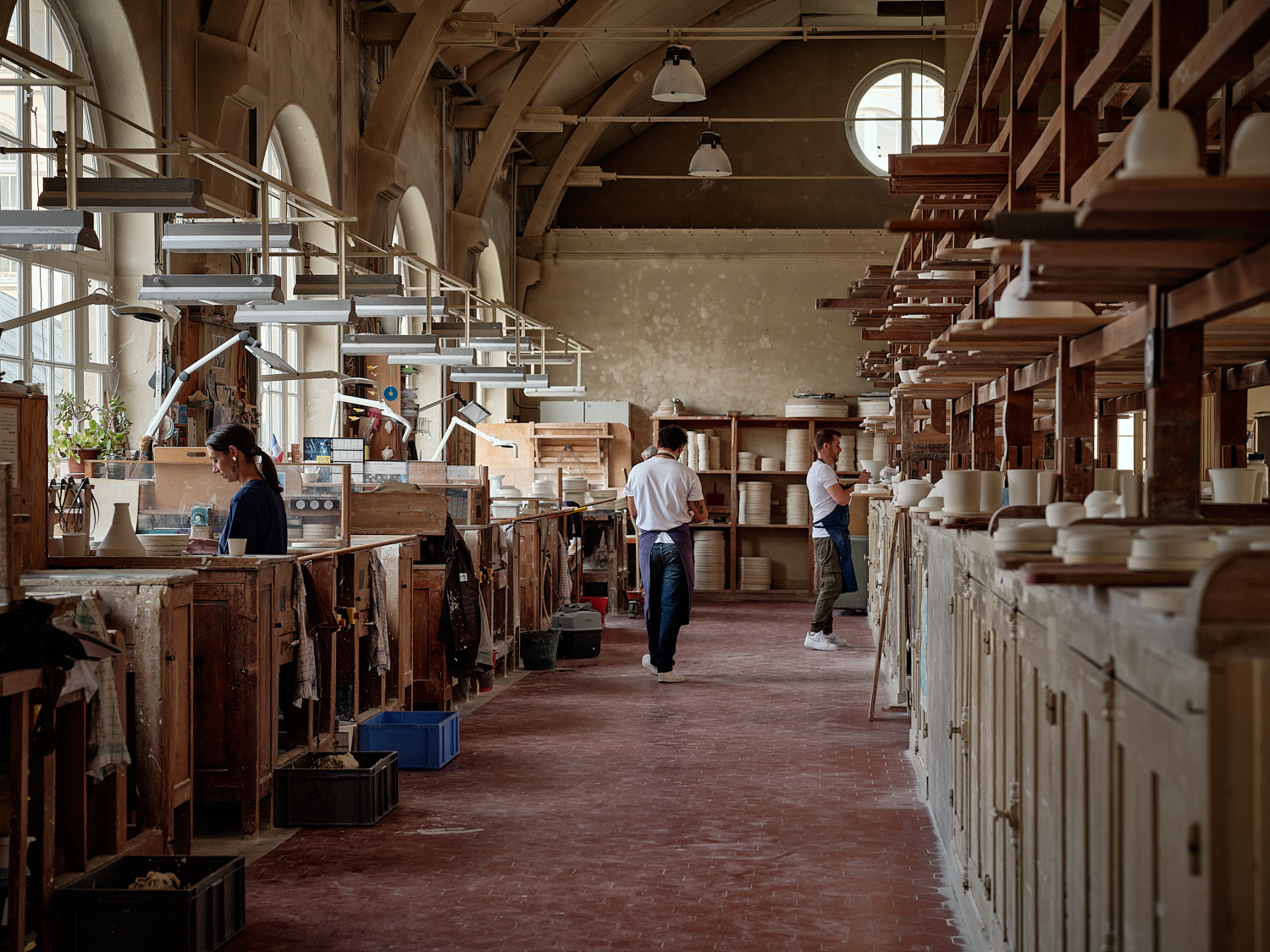
Within the Manufacture nationale de Sèvres, the artisans' savoir-faire resonates and complements one another, giving rise to works of exceptional quality. From the preparation of the materials to the shaping, from the firing to the decoration, each piece passes through numerous workshops where gestures handed down through generations are preserved.
Chemistry and research
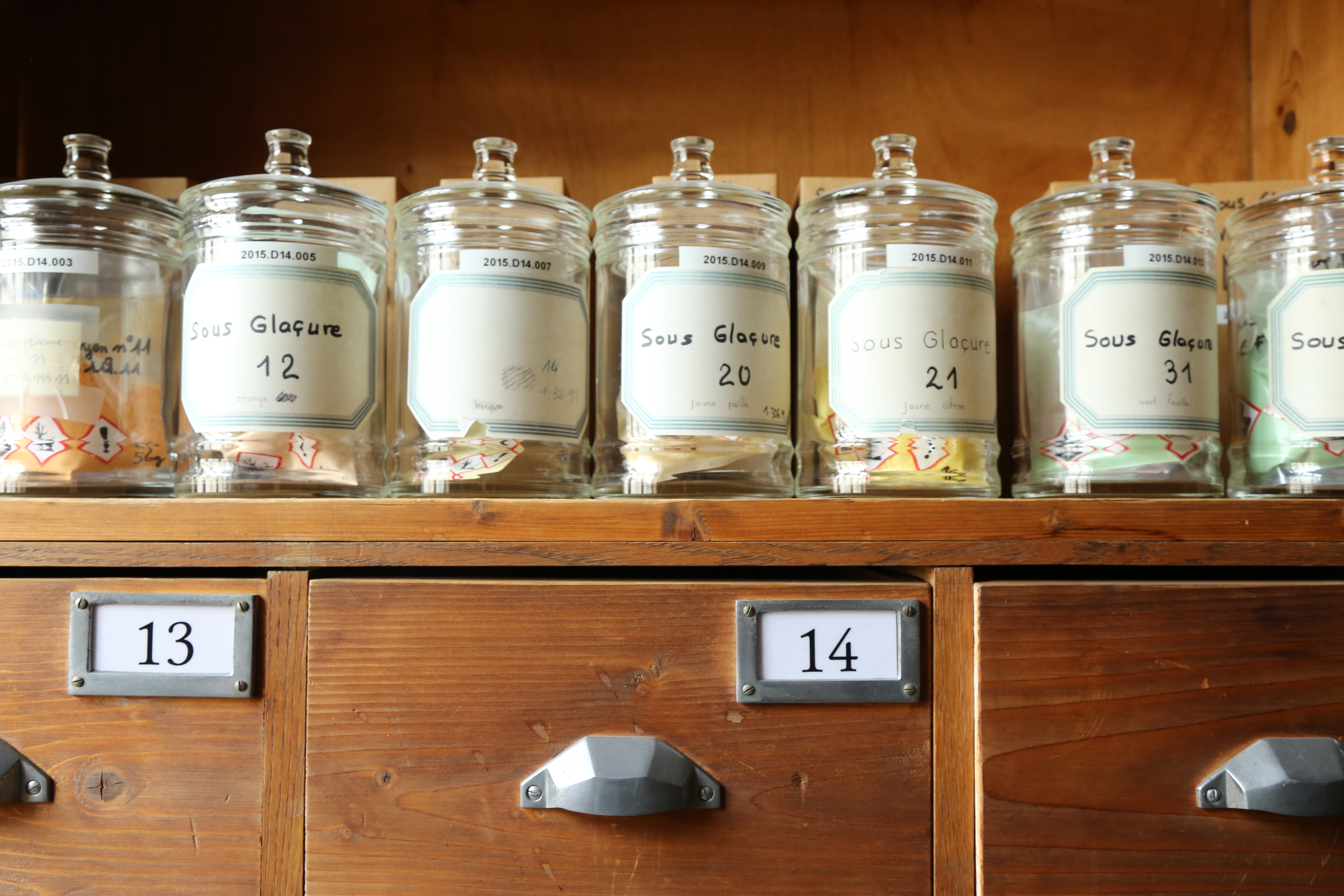
Everuthing begins in the laboratory, where the formulas for ceramic bodies, colours, and glazes that define the singularity of each creation are developed. The laboratory team develops the required formulations and also transforms gold and platinum into powder for use in decoration. To date, more than a thousand colours make up the Sèvres palette, which continues to expand.
Shaping
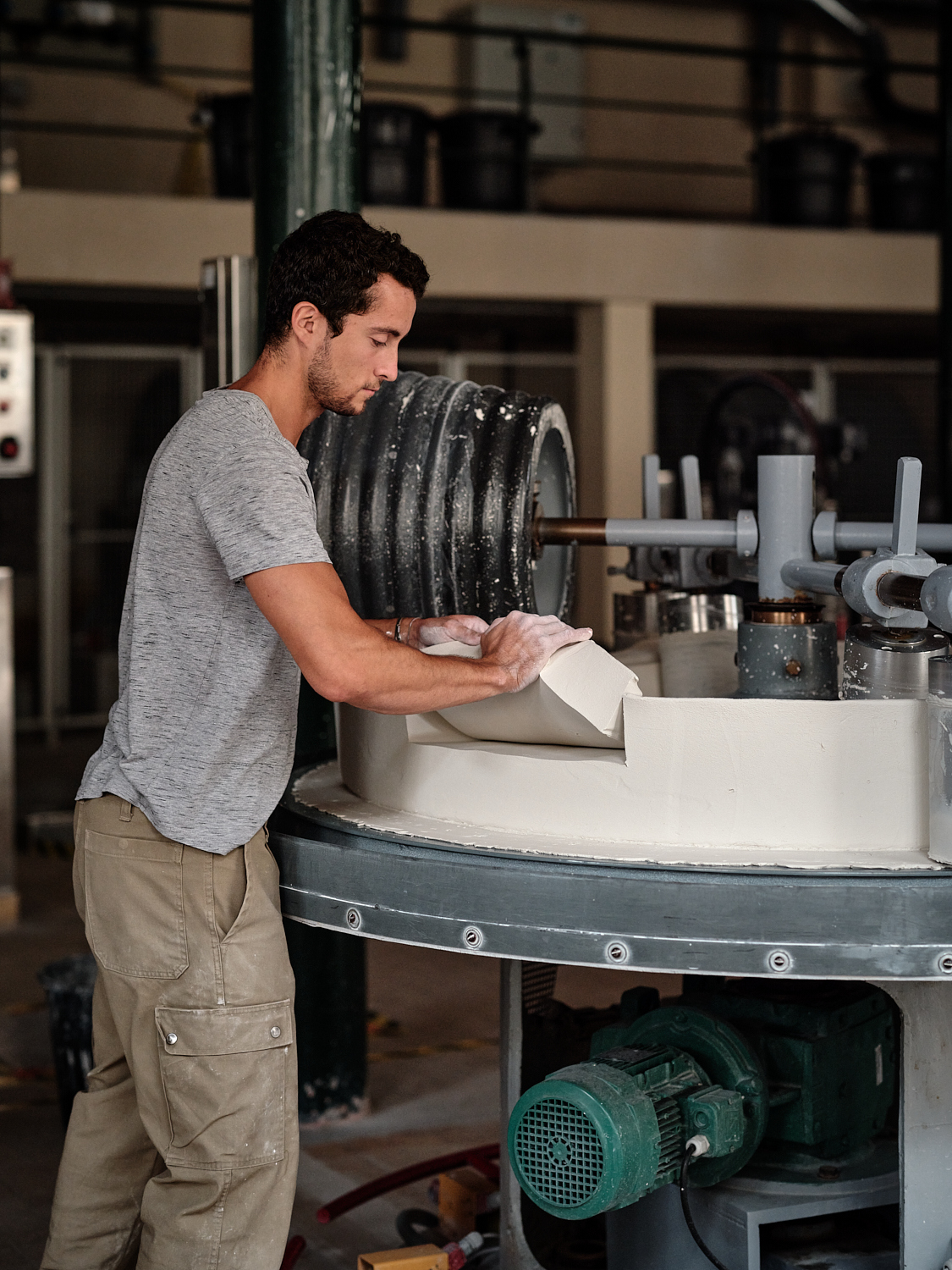
The shaping process brings together all the gestures that give form to porcelain, beginning with the preparation of the bodies and the clear glaze in the mill workshop, where the raw materials are stored, prepared, and transformed.
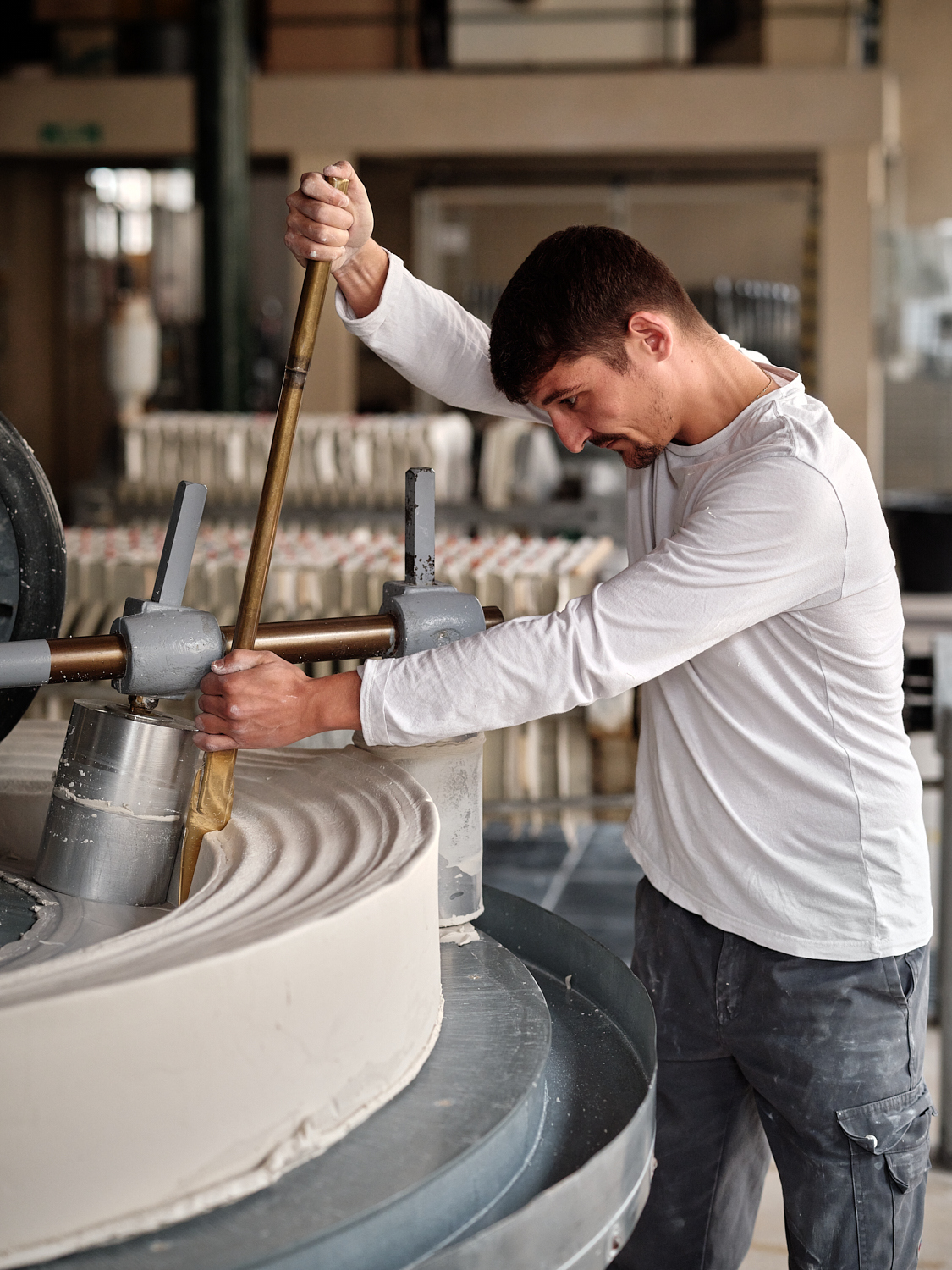
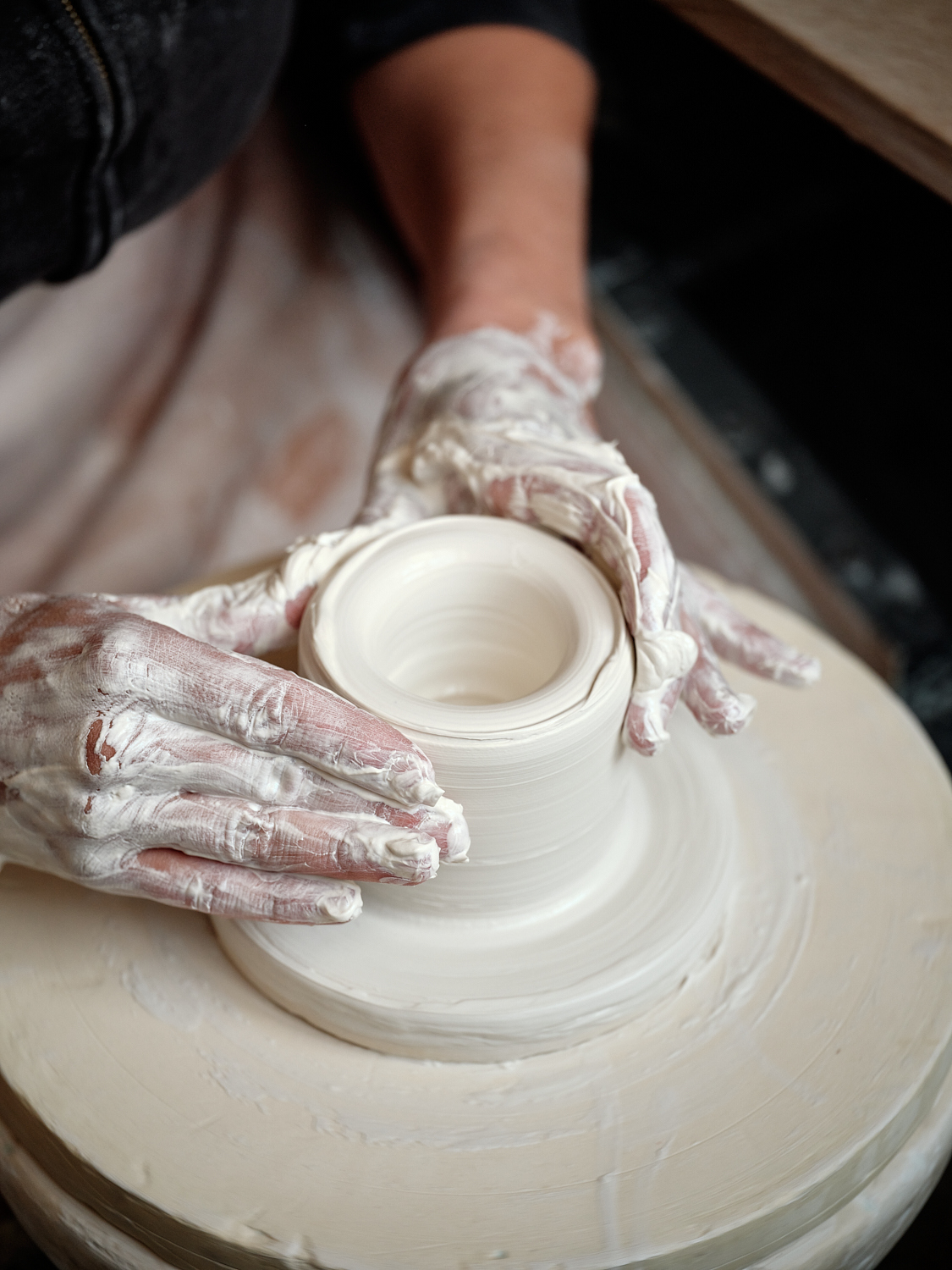
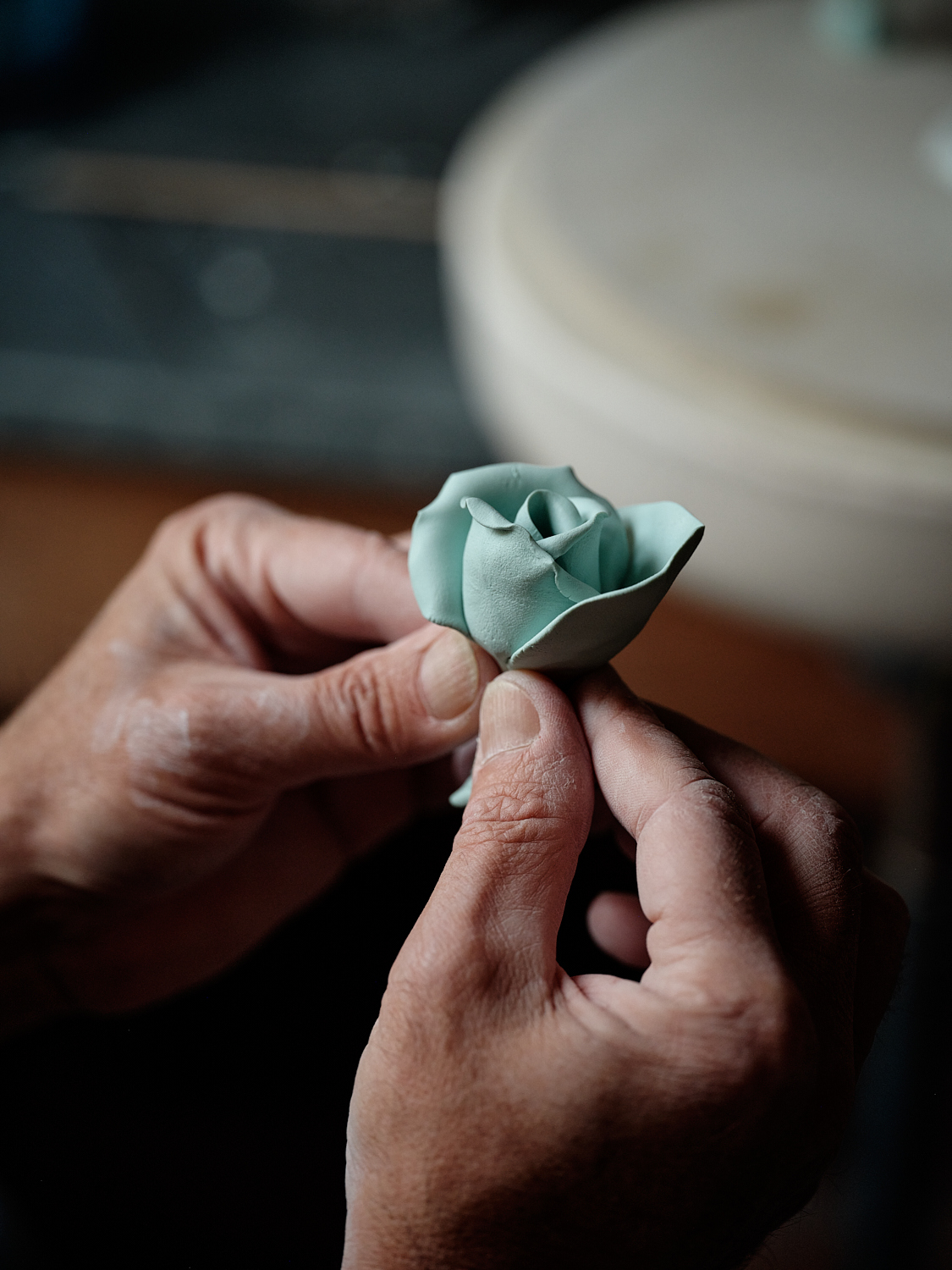
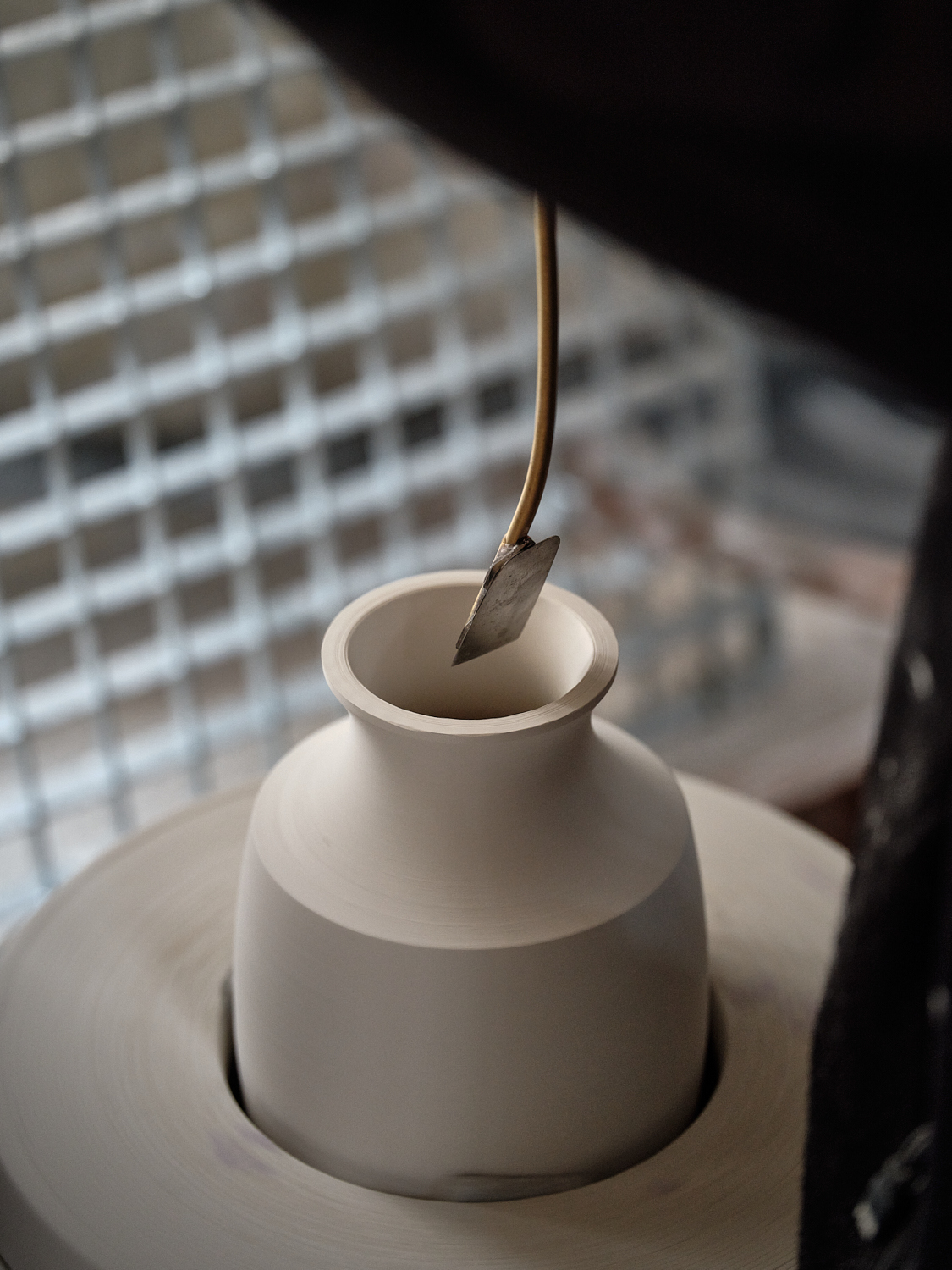
Using plastic porcelain, the pieces take shape in different workshops depending on their typology: some are thrown on the wheel or shaped usign a jiggering process, while others are formed by pressing into plaster moulds made and kept at the Manufacture. Elements such as handles, spouts, and knobs are shaped separately and then assembled.
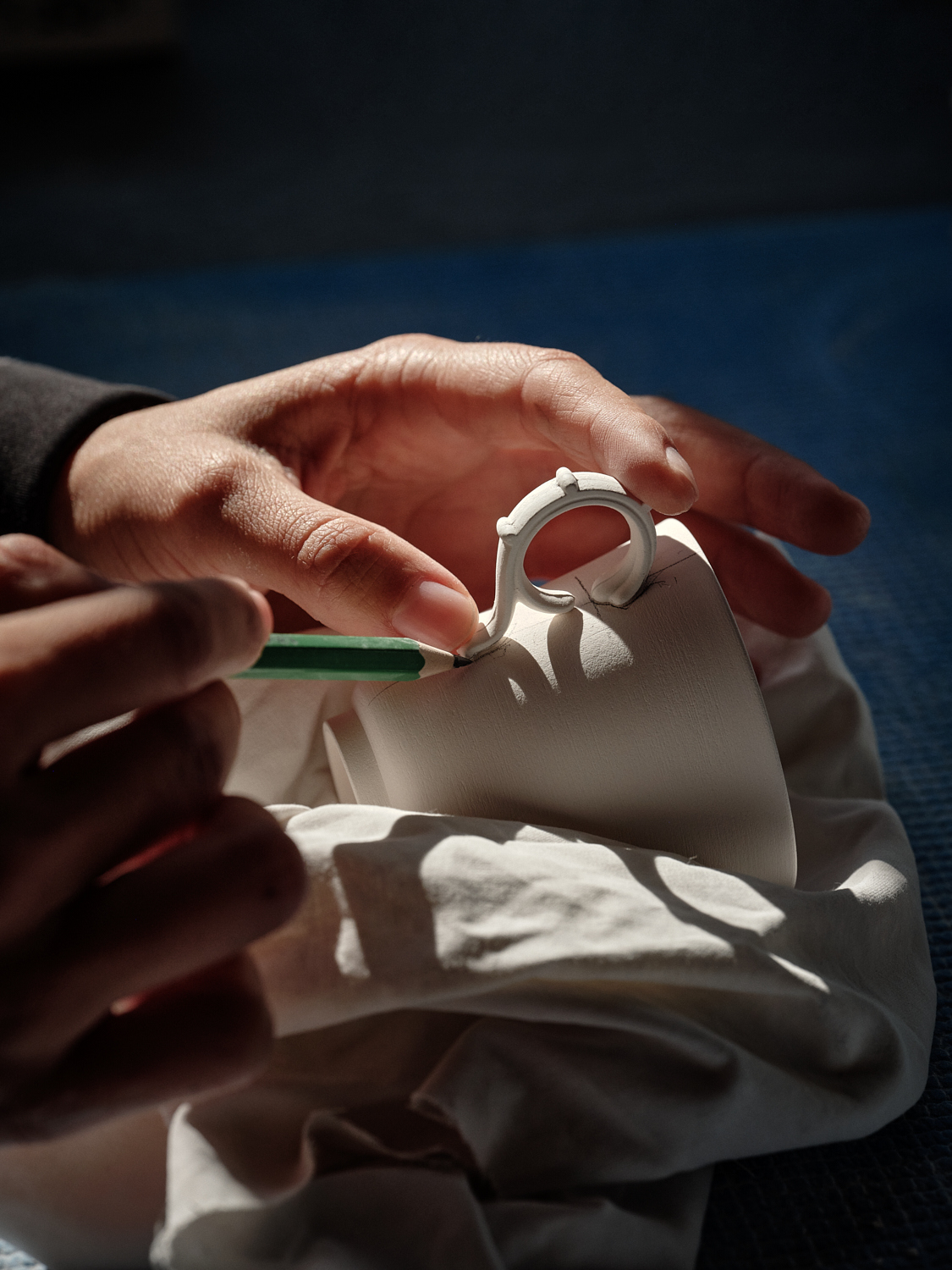
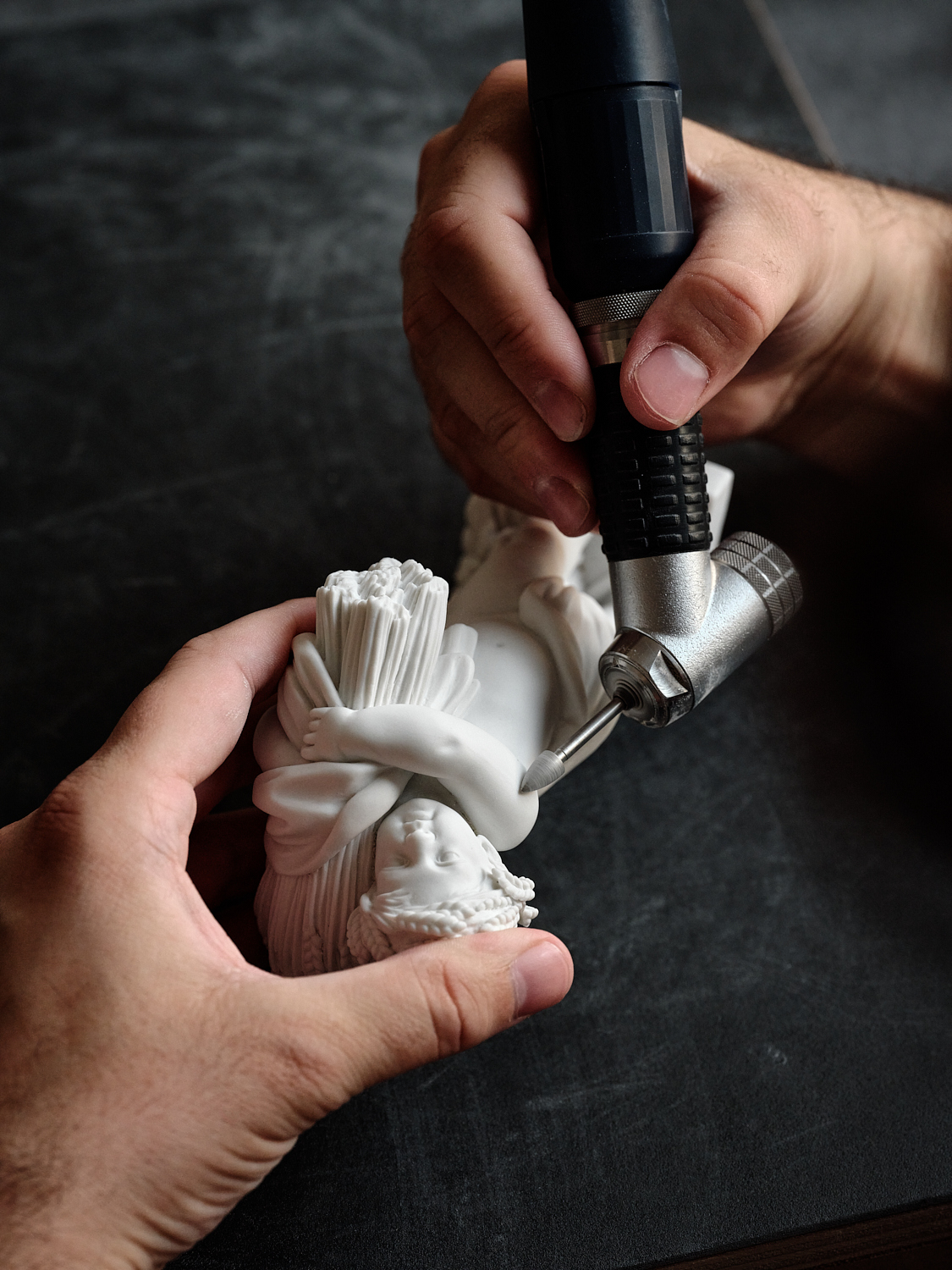
Biscuit-porcelain sculptures are composed of several moulded parts that are then assembled; a single sculpture may require several dozen moulds. Certain details are sculpted freehand.
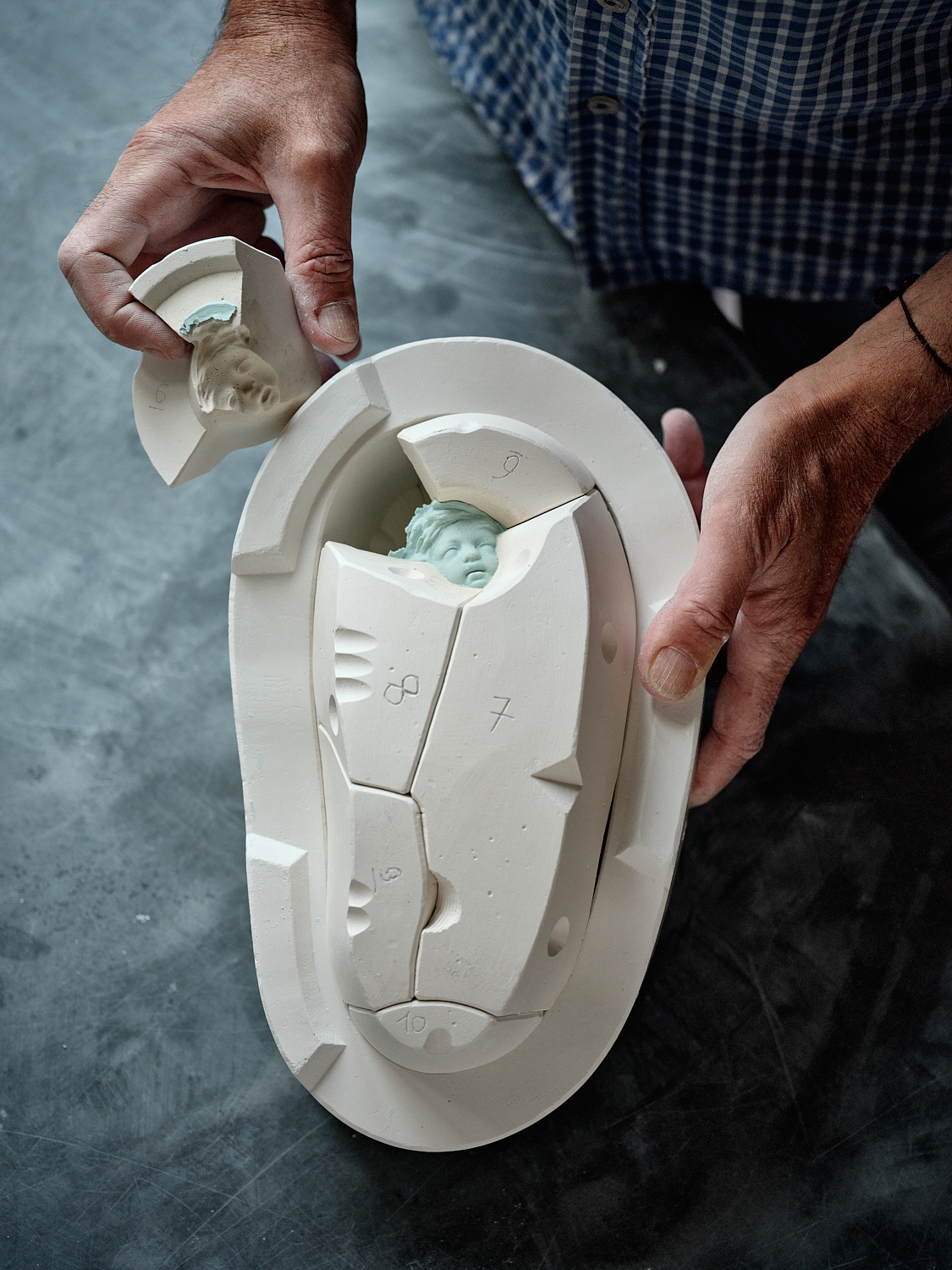
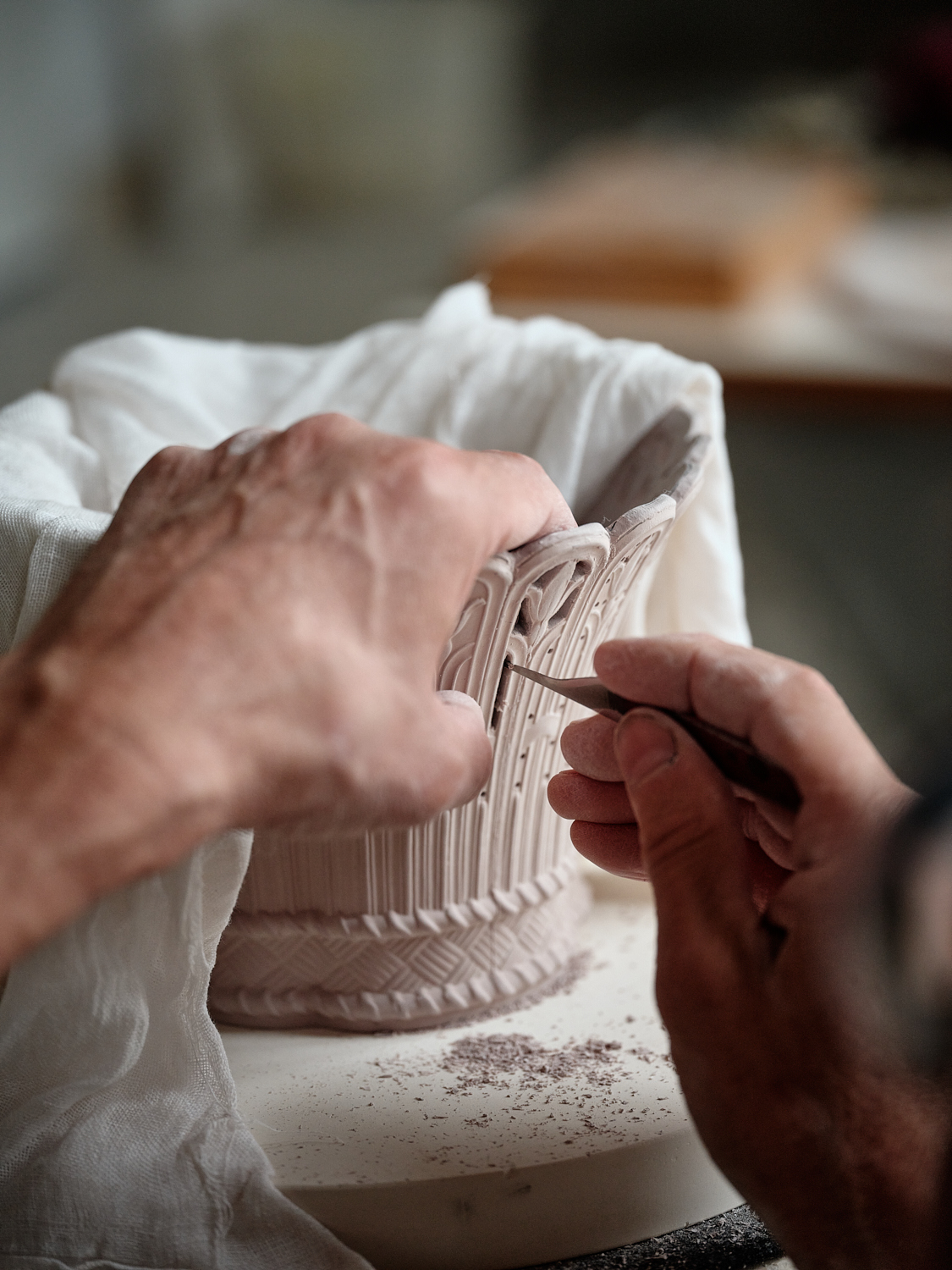
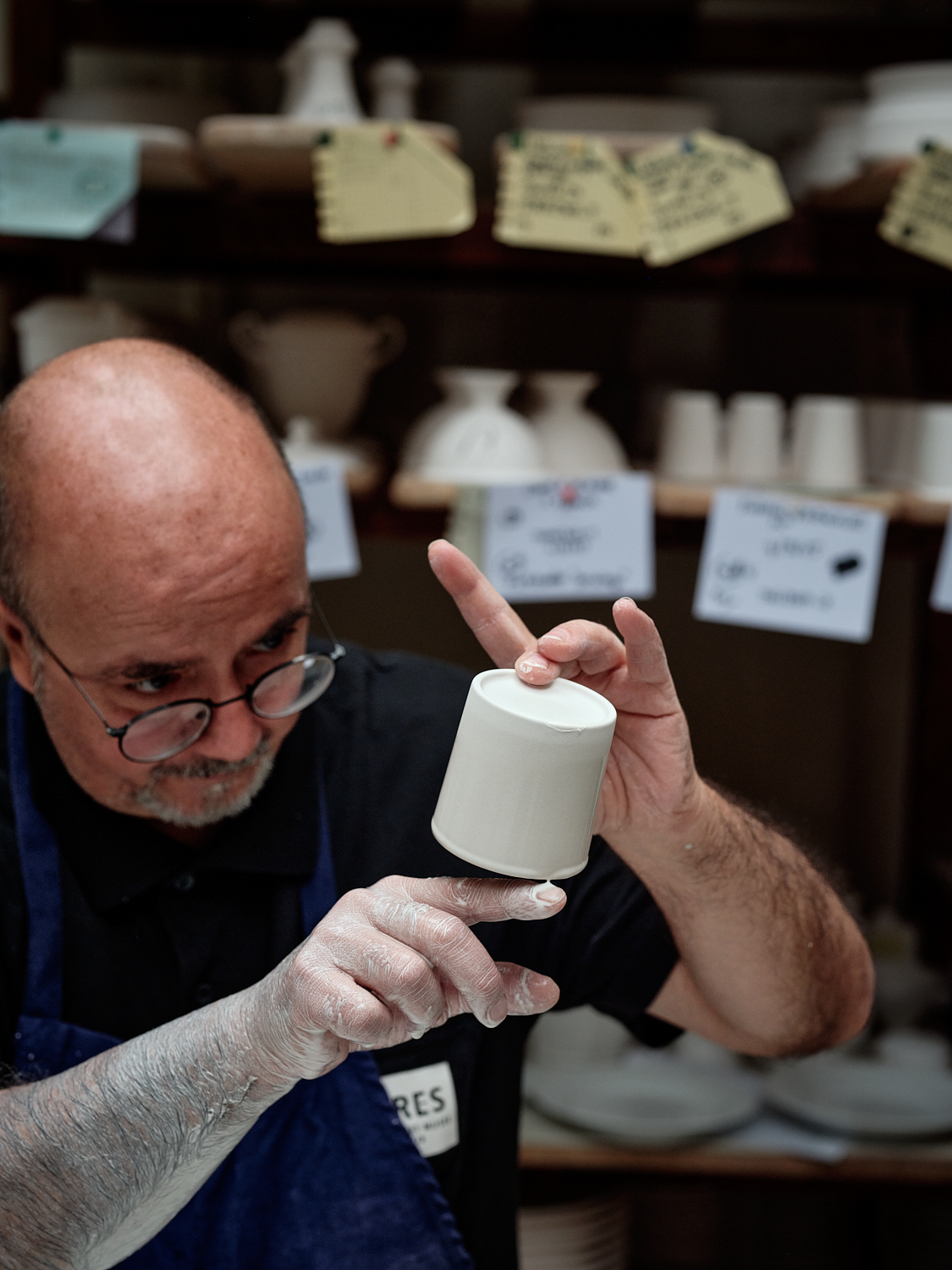
Other creations are produced using liquid porcelain. The slip is poured into plaster moulds using two distinct techniques: large-scale slip casting, reserved for pieces of revolution, and small-scale slip casting, which makes possible to create patterned or intricately shaped forms.
Decoration
The various decoration techniques enhance the forms of Sèvres through the colours and precious metals developed on site.
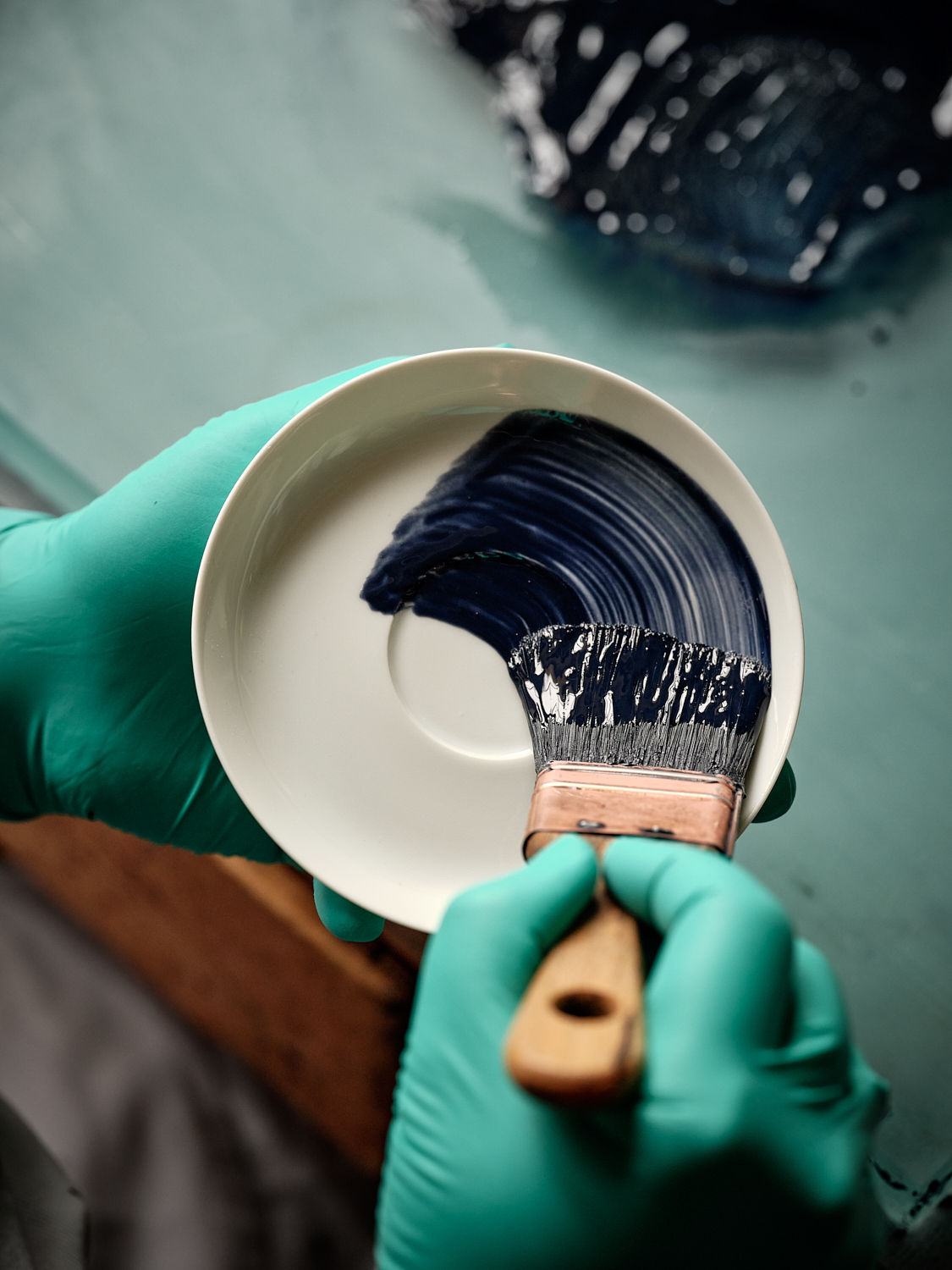
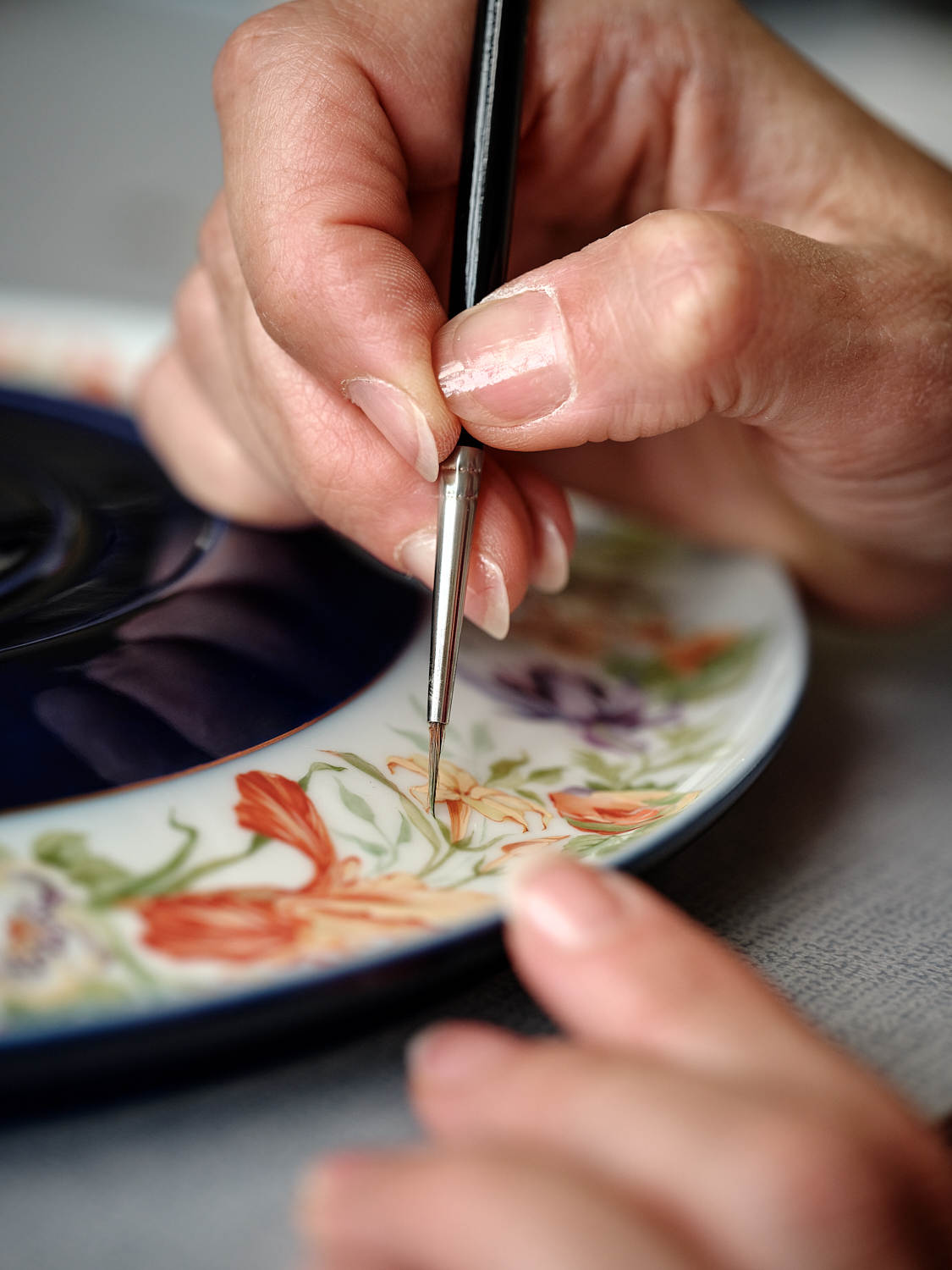
In the ground-laying workshop, the high-firing colours — including the renowned Bleu de Sèvres — or the low-firing colours are applied in flat washed or with textured effects. The painters then execute the decorations bu hand with a brush, selecting colour palettes specifically adapted to each firing process.
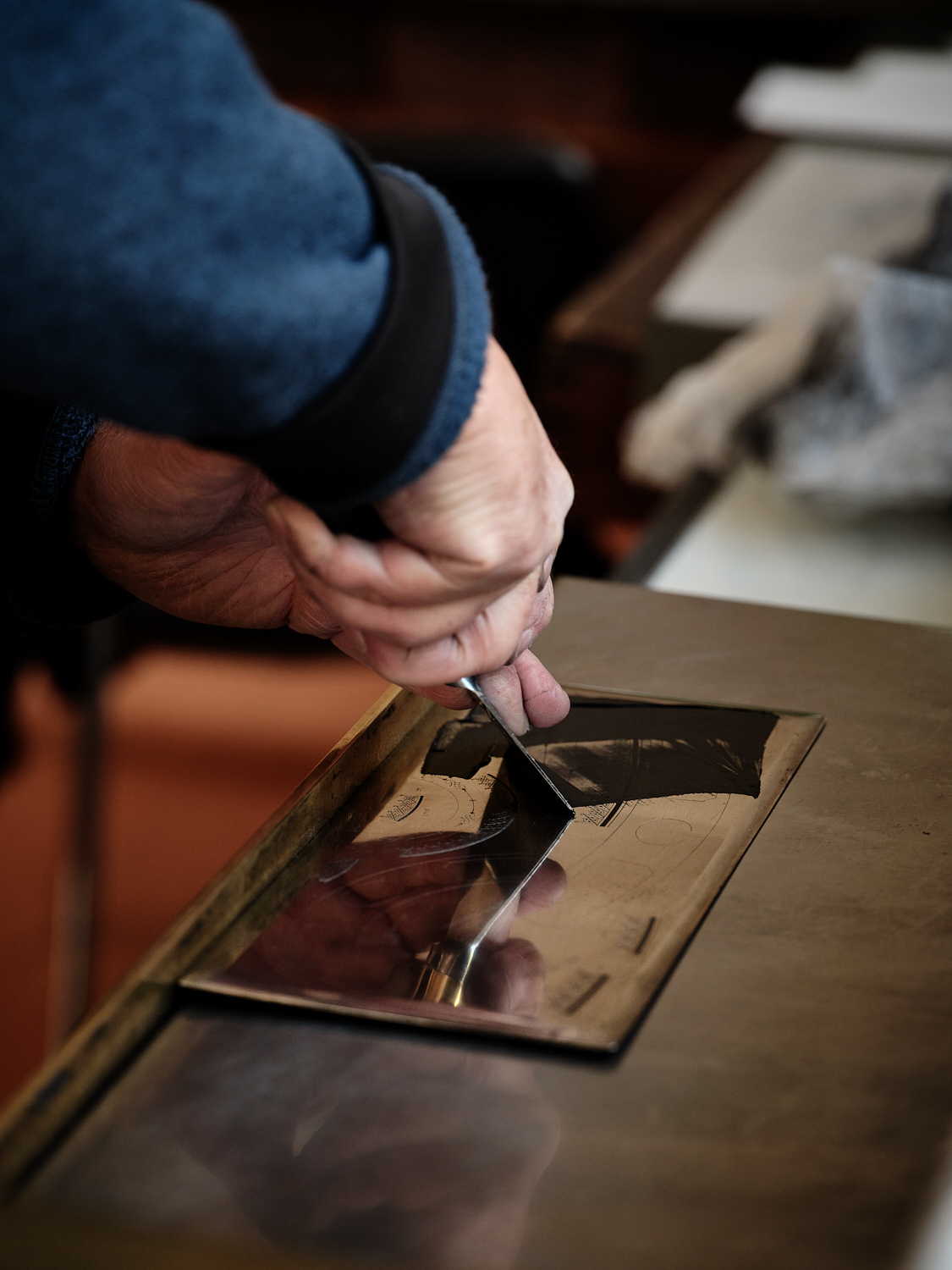
Art-printing techniques — lithography, copper-plate engraving, printing and transfer on porcelain — make it possible to execute repetitive motifs such as friezes, marks, and inscriptions.
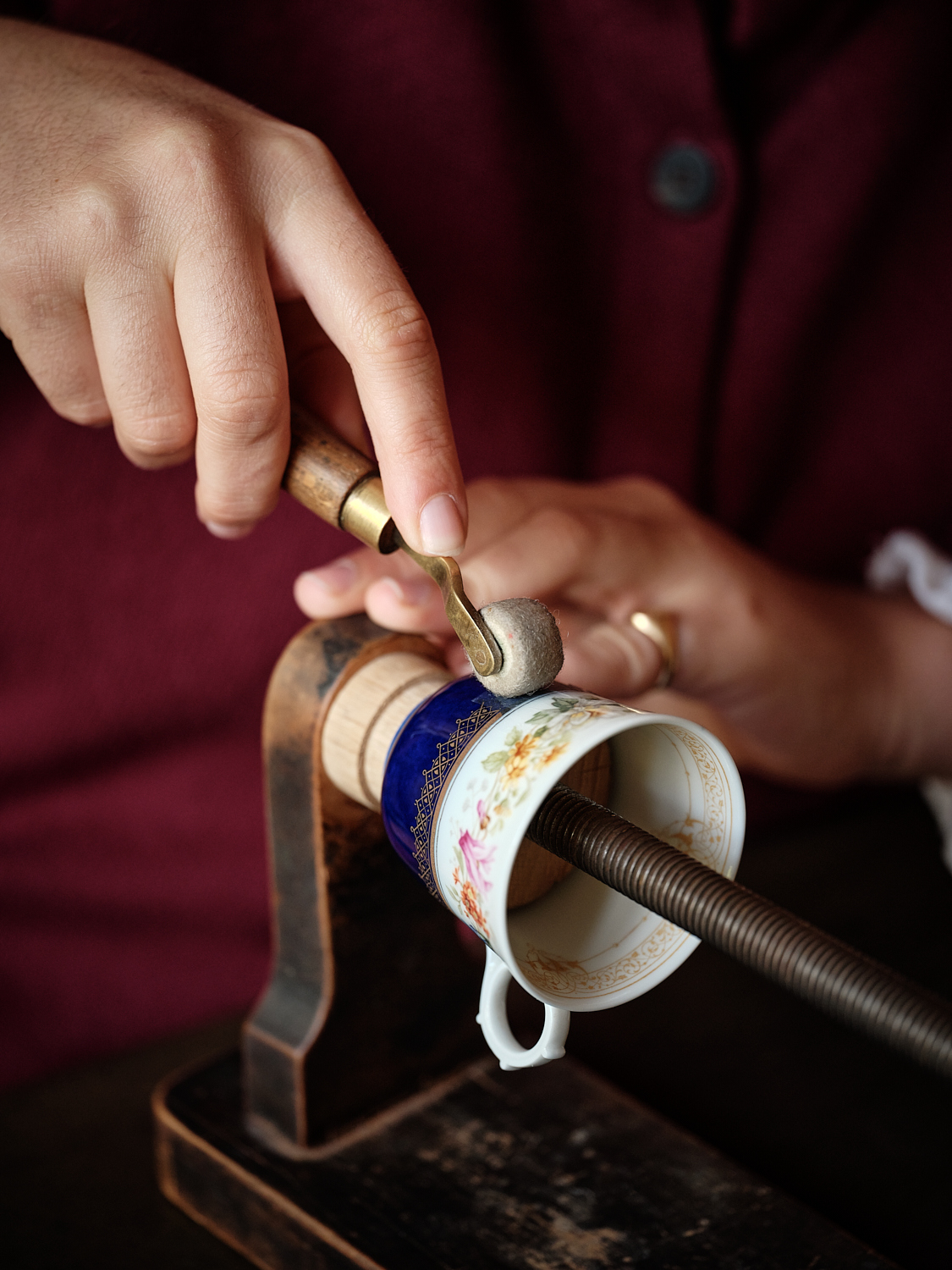
Precious metals — gold and platinum — are applied freehand, in lines, in flat washes, or in relief by the artisans of the gilding-and-filing workshop, then revealed through burnishing, which restores depth and brilliance and sometimes allows motifs ti be created within the metal itself.
Finally, certain pieces are enriched with brass or bronze mounts, shaped and adjusted in the mounting-and-chiselling workshop.
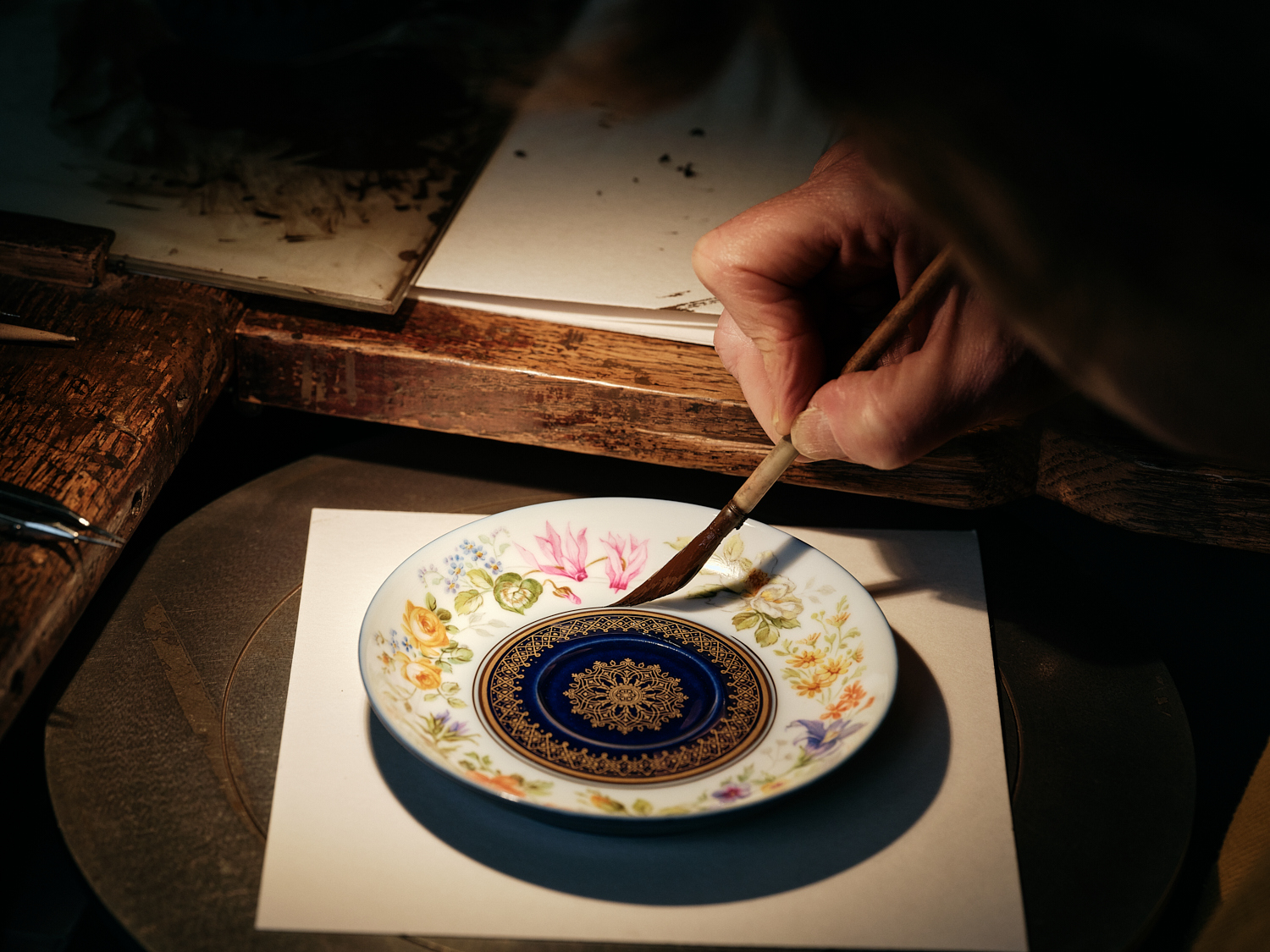
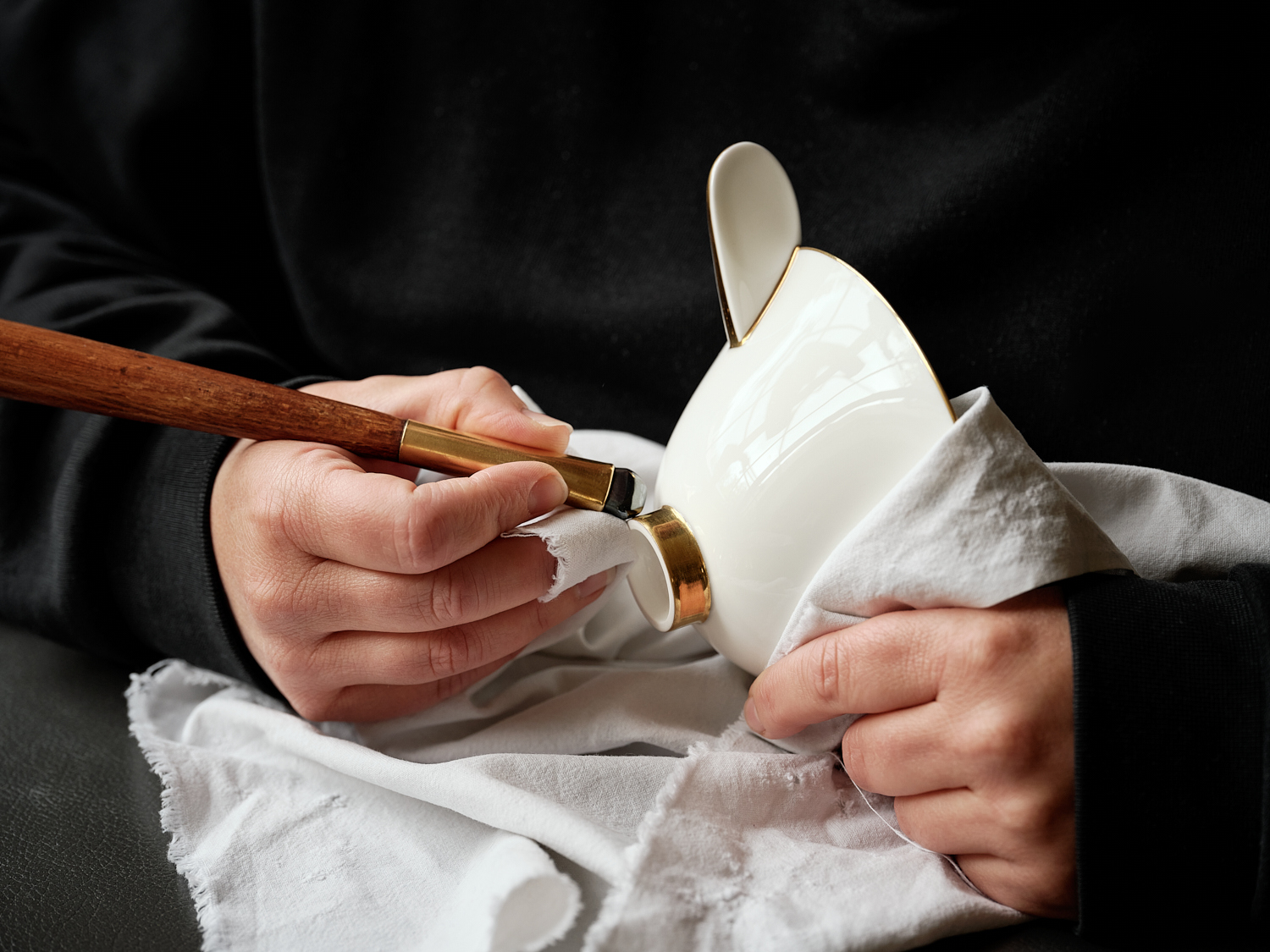
Owing to the number of métiers invilved, the technical precision of the gestures, and the specific requirements of the materials, a single piece may undergo several successive firings at both high and low temperatures before reaching its final appearance.
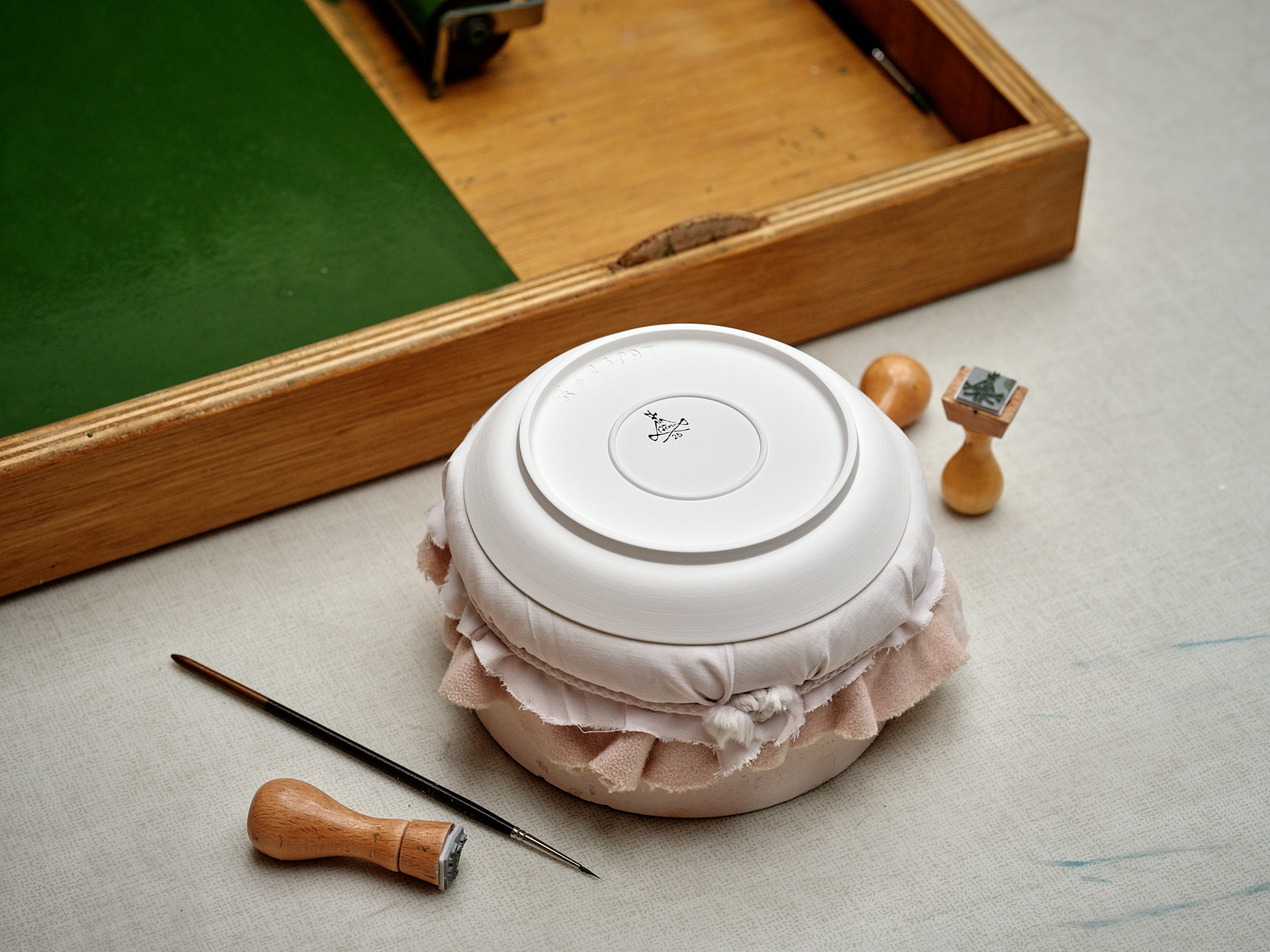
Each Sèvres porcelain bears the marks that recount its history.
They indicate the clay body used, the dates of production and decoration, as well as every artisan who contributed to its creation. Contemporary designers also add their signatures, inscribing each piece within the continuity of a living heritage.